Why a 4/4 Pullout Sand Stuck Situation Requires More Than Just Muscle
If you have ever driven a vehicle across the soft dunes of the UAE, you already know that sinking feeling. One moment you are cruising along a sand track, the next your wheels are spinning uselessly and the chassis is resting on the sand. It happens fast, and it happens to everyone from seasoned desert drivers to first-time weekend explorers. When the situation escalates into what we call a 4/4 pullout sand stuck scenario, the recovery demands more than just a strong arm and a rope. It requires the right equipment, the right technique, and often the support of a professional service like Car Recovery Dubai.
I have spent years working in off-road recovery across Dubai and the wider UAE, and I can tell you that a sand stuck vehicle is never a simple problem. Every recovery has its own variables: the angle of the dune, the weight of the vehicle, the type of sand, and the depth of the dig. But the most common mistake people make is trying to brute-force their way out. They connect a recovery strap to the nearest vehicle and floor the accelerator. That usually ends with a broken strap, a damaged chassis, or both vehicles stuck together. The smart approach starts with understanding exactly what a 4/4 pullout sand stuck situation really means.
What Makes a 4/4 Pullout Sand Stuck Different
The term 4/4 pullout sand stuck is specific to recovery work. It describes a vehicle that is fully embedded in sand on all four wheels, with the underside resting on the ground. The driver cannot rock the vehicle free using momentum because there is no space under the tires. In this position, the vehicle's own weight works against you. The sand under the chassis compacts, creating suction that holds the vehicle down. A standard tow from the front or rear often just drags the stuck vehicle sideways or deeper into the hole. That is why a proper recovery vehicle and a trained operator are essential.
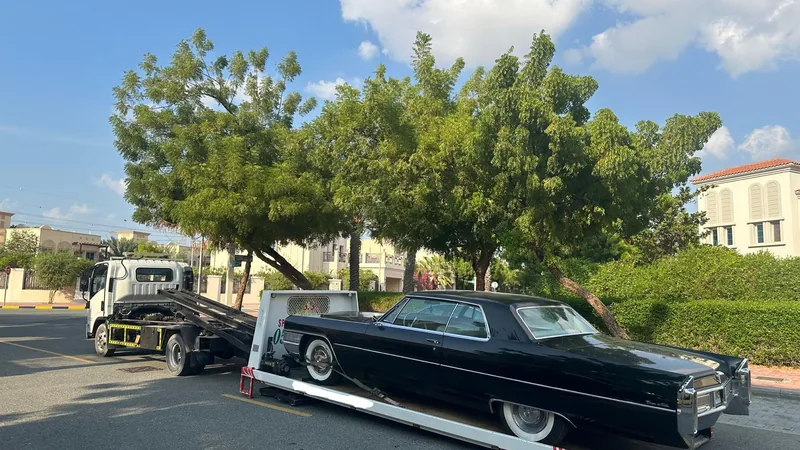
In Dubai, desert driving is a popular pastime, but the geography varies wildly. The sand near Al Qudra is fine and soft, while the dunes around Al Ain are coarser and more compact. Each type of sand behaves differently under a vehicle. Fine sand tends to swallow a vehicle quickly, while coarse sand can create a false sense of stability before giving way. A 4/4 pullout sand stuck situation in fine sand often requires the use of sand mats to create a solid surface under the tires before the vehicle can be pulled. Without them, even a powerful winch can struggle because the anchor point itself may shift in the soft ground.
Why Professional Recovery Matters
Many drivers assume that a friend with a large SUV can pull them out. That works sometimes, but it carries real risks. The pulling vehicle can also get stuck, especially if it has no experience judging the firmness of the sand. I have seen two, sometimes three, vehicles end up stuck because each attempt only made things worse. That is when you need a dedicated recovery vehicle with a winch and the right ground anchors. A professional service like Car Recovery Dubai brings not only equipment but also the judgment to assess the situation before pulling. They know how to set up an anchor point that will hold, how to use a winch without overloading the strap, and when to use sand mats or tire deflation to reduce the pull required.
One of the most overlooked aspects of sand recovery is tire deflation. Reducing tire pressure increases the footprint of the tire, which can sometimes allow the vehicle to drive out on its own. But if the vehicle is already resting on its chassis, deflating the tires does not help because the weight is not on the tires. In a 4/4 pullout sand stuck case, the first step is often to dig out the sand from under the chassis to create space for the tires to bear weight again. That digging is hard work in soft sand, and it must be done carefully to avoid damaging the vehicle's undercarriage. A professional recovery team has the tools and experience to do this without causing harm.
Equipment That Makes the Difference
Over the years, I have learned that the difference between a quick recovery and a long ordeal comes down to a few key tools. A recovery strap rated for the vehicle's weight is the bare minimum. But for a deep stick, you need a winch with a long cable and a reliable anchor point. In open desert, there are no trees or posts to attach to. That is where sand anchors come in. They are metal plates designed to dig into the sand under tension. When placed correctly, they can hold several tons of pull. Combined with sand mats to give the tires traction during the pull, the recovery becomes a controlled operation rather than a tug of war.
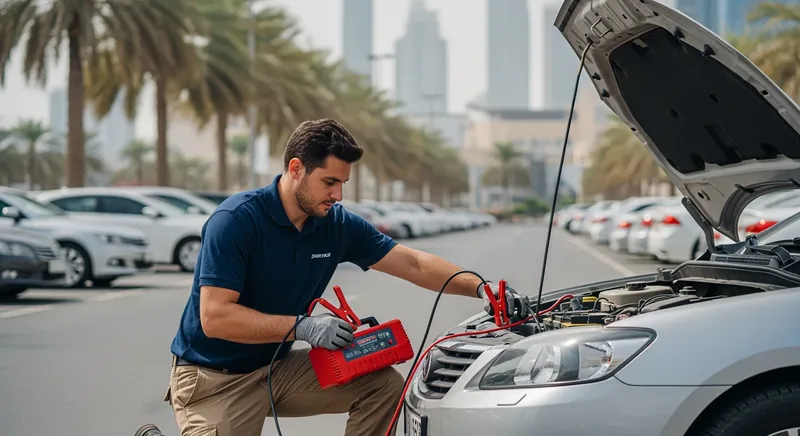
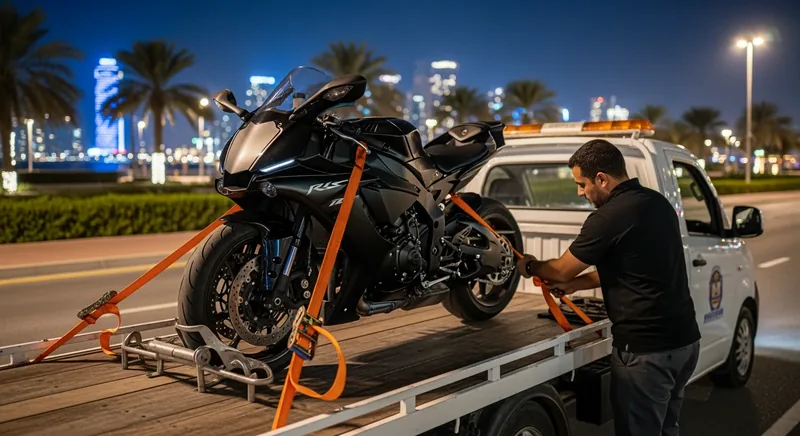
Heavy vehicle recovery adds another layer of complexity. If a large truck or a bus gets stuck in sand, the forces involved are enormous. The recovery vehicle must be rated for that weight, and the winch must have the pulling power to move the load without snapping. That is why services like Car Recovery Dubai maintain a fleet of heavy recovery vehicles specifically for those jobs. They also handle motorcycle recovery, which is a different challenge entirely. A bike stuck in sand can be lifted out by hand if the sand is not too deep, but a motorcycle that has tipped over in soft sand often needs a careful approach to avoid damaging the engine or frame.
Practical Advice for Desert Drivers
If you drive in the desert regularly, there are a few things you can do to reduce the risk of getting stuck. First, always carry a recovery strap, a shovel, and a tire deflator. Second, if you feel the vehicle starting to lose traction, do not keep accelerating. That only digs the vehicle in deeper. Stop, reverse out if possible, and take a different line. Third, if you do get stuck, assess the situation before calling for help. If the vehicle is resting on its chassis, you are in a 4/4 pullout sand stuck position and you need professional recovery. Do not waste time trying to rock it free. Call for emergency towing or roadside assistance early. The longer you wait, the more the sand settles and the harder the recovery becomes.
I have also seen drivers try to use boards, carpets, or car mats as makeshift sand mats. Sometimes they work, but often they just get buried under the spinning tires. Proper sand mats are designed to stay on top of the sand and provide a surface that tires can grip. They are worth the investment if you drive off-road regularly. And remember that a recovery strap is not a tow rope. It is a dynamic tool that stretches slightly to absorb shock. Using a static rope can damage both vehicles. Always use a rated recovery strap and attach it to proper recovery points on the vehicle, never to the tow ball or the axle.
When to Call for 24/7 Roadside Assistance
Desert conditions can change quickly. A dune that was firm in the morning can become soft and treacherous by midday. Nighttime adds the risk of losing visibility and orientation. That is why many recovery services, including Car Recovery Dubai, operate 24/7 roadside assistance. If you are stuck after dark, your priority should be safety. Stay with your vehicle, turn on your hazard lights, and call for help. A professional recovery team can reach you even in remote areas with the right vehicle and navigation equipment. They can also handle the recovery without putting you or your passengers at risk.
In the end, the phrase 4/4 pullout sand stuck is not just a technical term. It is a reminder that sand recovery is a skill, not a guess. Whether you drive a small 4x4 or a heavy truck, getting stuck in the dunes is part of the experience. But knowing how to handle it, and knowing when to call a pro, makes all the difference between a bad afternoon and a story you will laugh about later.